Mac Grove Painting works regularly throughout the western reaches of the Twin Cities metro, and Orono is the kind of community where the details of a paint job genuinely matter. Homes here tend to be large, custom-built, and architecturally expressive — the sort of residences where the wrong primer or a mismatched sheen calls attention to itself. Getting the work right means understanding the character of the housing stock and the specific environmental pressures that come with this part of Hennepin County.
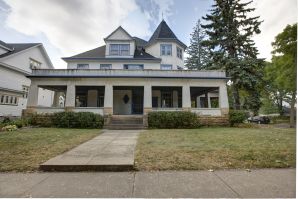
The architecture in Orono doesn’t follow a single template. The area carries traces of Minnesota’s mid-19th-century building traditions — Greek Revival symmetry, Gothic Revival gables, board-and-batten siding, and decorative trim work that demands careful prep and brush work rather than a quick roll-and-go approach. Alongside those older influences, mid-20th-century modernist design has a real presence here, including the kind of clean-lined, international-style construction that prioritizes large windows and minimal ornament. More recently, the dominant trend has been toward custom contemporary homes that mix Shingle Style wall cladding, curving rooflines, reclaimed materials, and natural stone facades — including bluestone and similar masonry that requires a different touch than wood or fiber cement.
Waterfront Exposure and Wooded Sites Demand More from Paint Systems
Orono’s proximity to Lake Minnetonka shapes exterior painting work in concrete ways. Homes near the water face consistent humidity, wind-driven moisture, and the kind of thermal cycling that shortens the lifespan of coatings that aren’t selected with Minnesota’s climate in mind. We pay close attention to paint system specifications in these environments — film build, permeability, and adhesion all matter more when a home sits within a short distance of the lake. The goal is a finish that holds up through freeze-thaw cycles and wet springs without peeling or trapping moisture behind the surface.
Dense tree cover creates a separate set of challenges across much of Orono, particularly on north- and east-facing elevations that stay shaded through much of the day. Limited sun exposure keeps siding damp longer after rain, and that sustained moisture creates favorable conditions for mildew and moss growth. Surface preparation — cleaning, treating, and in some cases lightly sanding before priming — is a necessary step before any topcoat goes down. Skipping that work produces results that look fine in the short term and fail in the second or third season.
The high-end, eclectic character of housing in Orono also means we encounter a wide variety of exterior materials on any given project: cedar shingles, stone veneer, painted wood trim against unpainted masonry, and contemporary composite siding systems that each have their own preparation and product requirements. Our crews are used to working through that variation within a single home’s exterior. The job is to make those material transitions look intentional and to leave a finish that holds its appearance for years in conditions that aren’t particularly forgiving.