Mac Grove Painting has worked on enough early twentieth-century wood-frame homes across the Twin Cities metro to recognize what Shorewood presents the moment you pull up to a job site — layered paint histories, moisture-prone siding, and architectural details that reward careful preparation far more than speed.
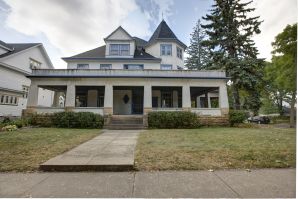
The housing stock here spans a wide range. Along Lake Drive, architect-designed mansions from the gold coast era sit alongside the kinds of Craftsman bungalows and American Foursquare homes that defined streetcar suburb development in the early 1900s. Tudor Revival and Dutch Colonial Revival houses bring their own surface challenges — simulated thatch profiles, brick noggin infill, and stucco panels that require different prep approaches than standard wood lap siding. Newer infill construction and the occasional Mid-Century Modern home add contemporary materials to the mix, including metal finishes that need primer systems matched to their specific substrates.
Working With Shorewood’s Environment
The tree canopy that gives Shorewood its character also shapes how exterior paint performs here. Dense shade delays drying times and creates the kind of prolonged moisture conditions that accelerate mildew growth, particularly on north-facing walls. Any exterior painting project in this area has to account for that — surface cleaning and mildew treatment aren’t optional steps before priming, they’re essential ones. Application scheduling matters too; putting paint down before a surface has dried fully, or before ambient temperatures are stable enough to allow proper curing, shortens the life of even high-quality coatings significantly.
Arts and Crafts homes and Prairie Style houses present their own set of considerations. The horizontal emphasis and handcrafted trim detailing on these styles mean that surface prep involves more careful masking and edge work than a simpler facade would require. When a home has historic significance — and several in Shorewood do — there’s also the question of whether the existing paint layers contain lead, which affects both the prep method and the disposal process. Mac Grove approaches older homes with that in mind from the start.
Stucco in particular is worth mentioning separately. It’s common enough on Tudor and Mediterranean Revival homes in this area, and it doesn’t behave like wood or fiber cement when it comes to adhesion and moisture movement. Hairline cracks need to be evaluated and addressed before any coating goes on, or water infiltration will work against the paint from behind. Getting that right takes familiarity with the material, not just a brush and a bucket of elastomeric.
Shorewood’s mix of historic preservation-worthy architecture and more recent construction means no two exterior projects look quite the same. That variety is part of what makes this area an interesting place to work, and it’s why a contractor who understands the regional housing stock — the specific styles, the materials, the climate pressures — will consistently produce results that hold up longer than a generalist approach would.