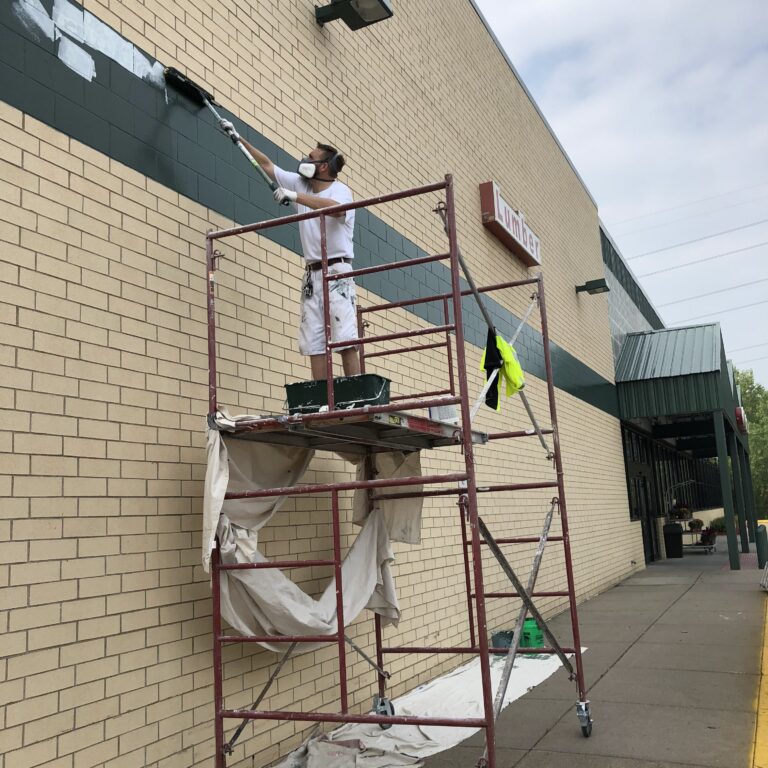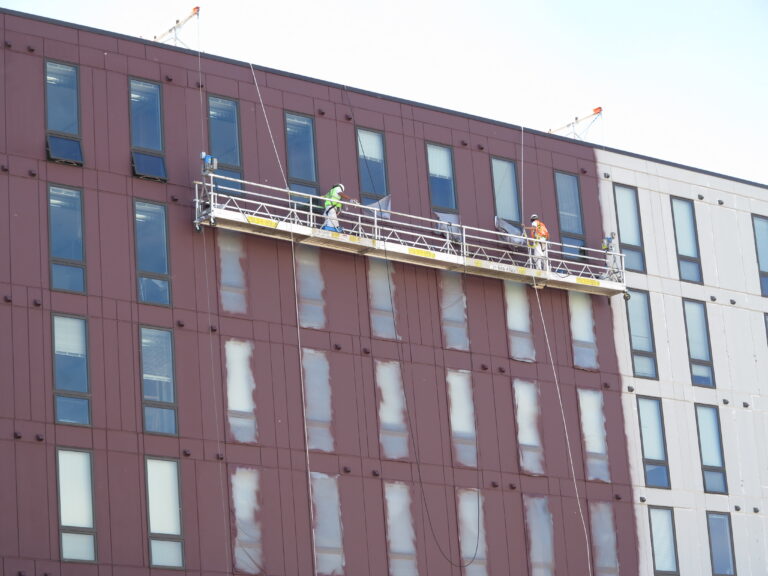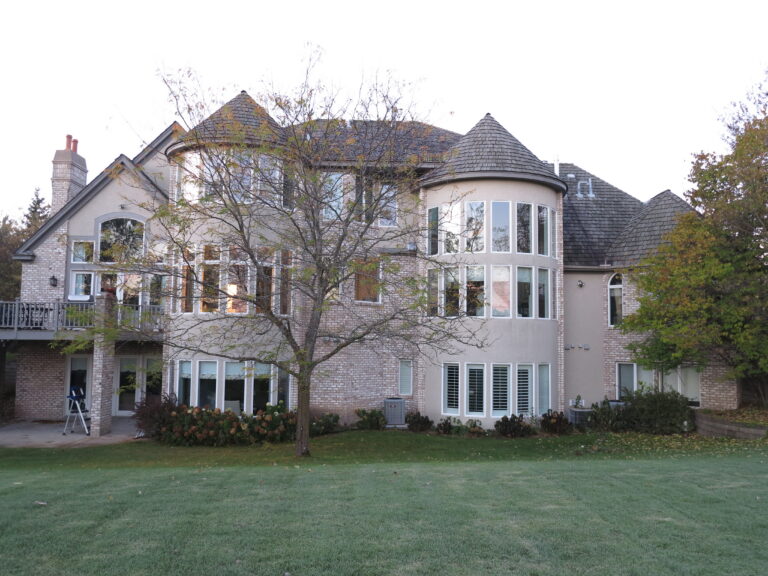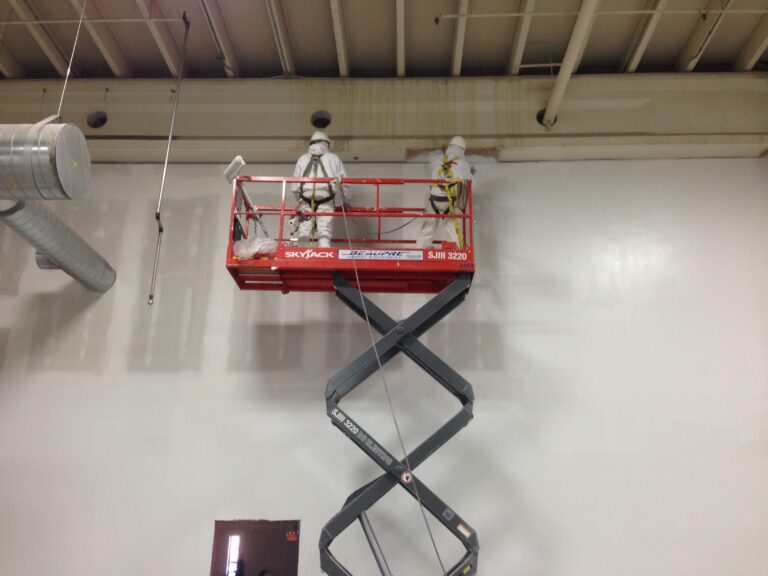
Mac Grove Painting has worked across the Twin Cities metro long enough to recognize that Champlin presents a distinctive set of conditions — a river community built largely in the postwar decades, where practical suburban construction meets a Mississippi River environment that puts real demands on exterior finishes. That combination shapes every painting project we take on here.
The dominant housing stock in Champlin reflects the suburb’s midcentury growth: ramblers and split-levels from the 1950s, 1960s, and 1970s, many with wood siding, brick accents, or stucco exteriors that have now weathered several decades of Minnesota winters. These homes weren’t built with ornate detailing in mind — they were built to be livable and durable — and the painting work they need reflects that same pragmatism. Surface prep matters enormously on older wood siding that has expanded and contracted through hundreds of freeze-thaw cycles. Getting the preparation right is what separates a finish that holds for a decade from one that starts peeling within a few seasons.
River Proximity and What It Means for Paint Performance
Champlin’s position along the Mississippi River introduces moisture conditions that aren’t typical of drier, inland suburbs. Higher ambient humidity, shaded lots with heavy tree cover, and limited sun exposure in certain areas create the kind of environment where mildew can take hold on an exterior surface that might stay clean in a sunnier location. For homes near the riverfront or within the Mississippi Crossings district — a redeveloped stretch of land where modern apartments and green spaces overlook the river — product selection becomes especially important. We rely on paints formulated for mildew resistance and recommend sheens that discourage moisture retention, particularly on north- and east-facing elevations where surfaces stay damp longest.
Newer construction in Champlin, including developments like the Bowline apartments that draw architectural inspiration from the area’s historic lumber mill heritage, incorporates materials like wood and steel that require their own approach. Raw or semi-exposed wood needs proper sealing against moisture infiltration before any topcoat goes on. Steel and metal elements demand primers that prevent oxidation from gaining a foothold in a climate where road salt and winter condensation accelerate corrosion. The material mix in contemporary Champlin housing is broader than what you’d encounter in an older, more uniform neighborhood, and the preparation work adjusts accordingly.
What remains consistent across older ramblers and newer multifamily buildings alike is the basic reality of Minnesota weather. Cold winters, wet springs, and the specific microclimate that comes with river proximity all argue for exterior coatings chosen with longevity as the primary criterion, not just appearance. A well-prepared, properly coated exterior in Champlin should comfortably hold its finish through years of that cycle without significant deterioration.
Mac Grove Painting brings the same attention to local conditions in Champlin that we apply throughout the metro — understanding the housing stock, reading the site, and choosing materials that perform in the environment where they actually have to live.