Mac Grove Painting has worked across the Twin Cities long enough to recognize that Golden Valley presents a particular kind of painting challenge — one shaped by decades of thoughtful residential development, mature tree canopy, and the kind of housing stock that rewards careful preparation over speed.
Much of Golden Valley was built out during the postwar decades, and that history shows in the architecture. Mid-century modern ramblers and architect-designed homes from the 1950s through the 1970s dominate the city’s neighborhoods, with their characteristic horizontal lines, low-pitched rooflines, and deliberate integration into wooded lots. Tyrol Hills, situated east of Highway 100 and I-394, is a strong example of this era — a neighborhood where the homes were designed to settle into the landscape rather than stand apart from it. Working on these properties means respecting that design logic: clean edges, restrained color transitions, and finishes that complement rather than compete with the natural surroundings.
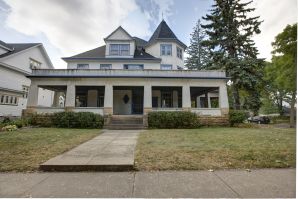
The earlier housing in Golden Valley tells a different story. Along North and South Tyrol Trail and Alpine Pass, a cluster of revival-style homes dating from 1926 to 1939 represents some of the most historically significant residential architecture in Hennepin County. Several of these structures are considered eligible for National Register designation. Painting work on homes of this era calls for close attention to surface condition, appropriate primer systems, and color choices that honor the period character without locking owners into a restoration project they didn’t ask for.
How Golden Valley’s Environment Affects Exterior Finishes
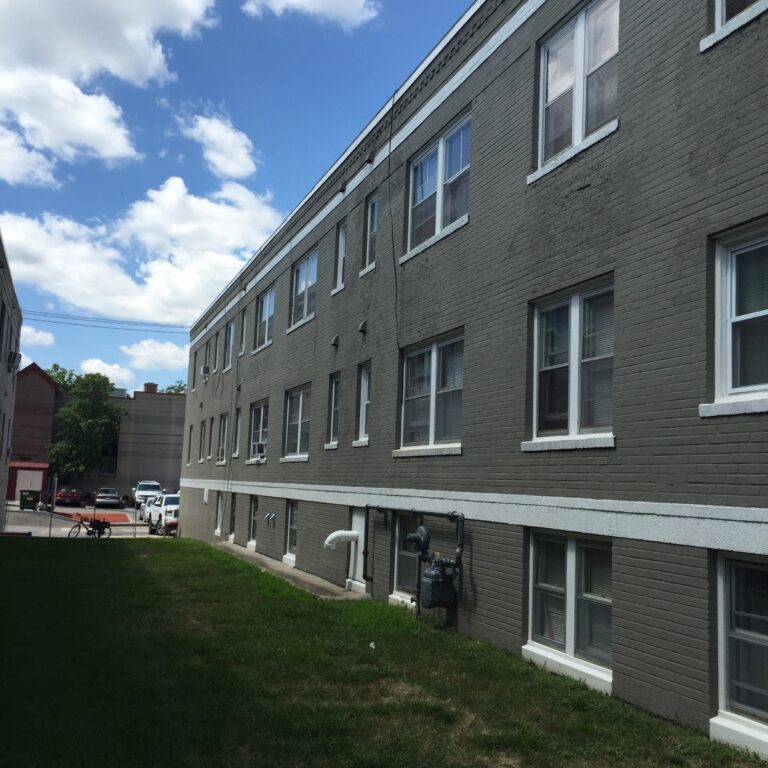
Theodore Wirth Park borders much of the city’s eastern edge, and its influence extends well beyond the park boundary. Dense tree cover across Golden Valley means many homes deal with sustained shade, slower drying after rain, and a tendency for moisture to collect against north- and east-facing surfaces. These conditions accelerate paint failure on surfaces that weren’t properly prepped — particularly on stucco, wood trim, and older masonry. Brick, stone veneer, and metal panels are common on the mid-century homes here, and each material has its own requirements for cleaning, adhesion, and appropriate coating systems. Getting the surface preparation right before a single drop of paint is applied is the work that actually makes a paint job last through a Minnesota winter.
Sun exposure in Golden Valley also varies more than it might in a neighborhood with a consistent street grid and open yards. Wooded lots and the low profiles of Prairie-influenced ramblers mean some elevations see strong afternoon sun while others stay in shadow most of the day. That kind of variability factors into product selection — particularly sheen levels and whether a coating is formulated to handle UV exposure or prioritize flexibility through freeze-thaw cycles.
Golden Valley homeowners tend to have a clear sense of what they want from their properties, and the housing stock reflects that — well-maintained, architecturally considered, built for the long term. That’s the kind of work Mac Grove Painting is well suited for.