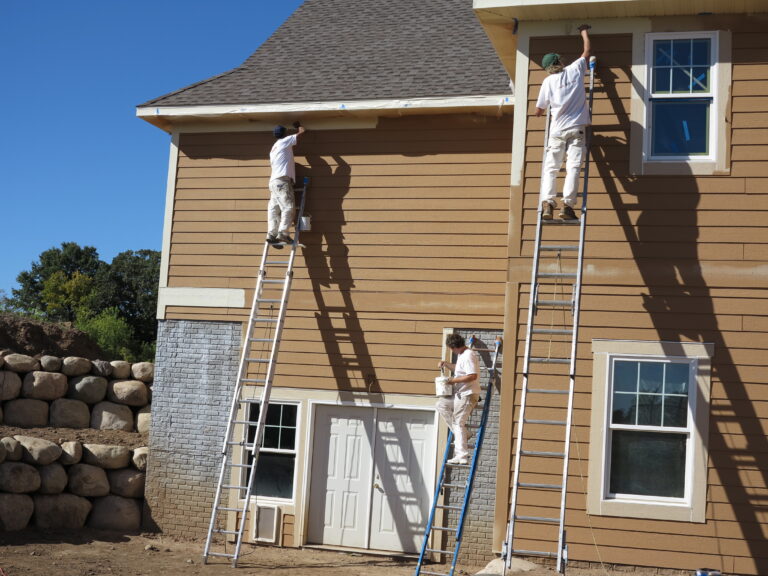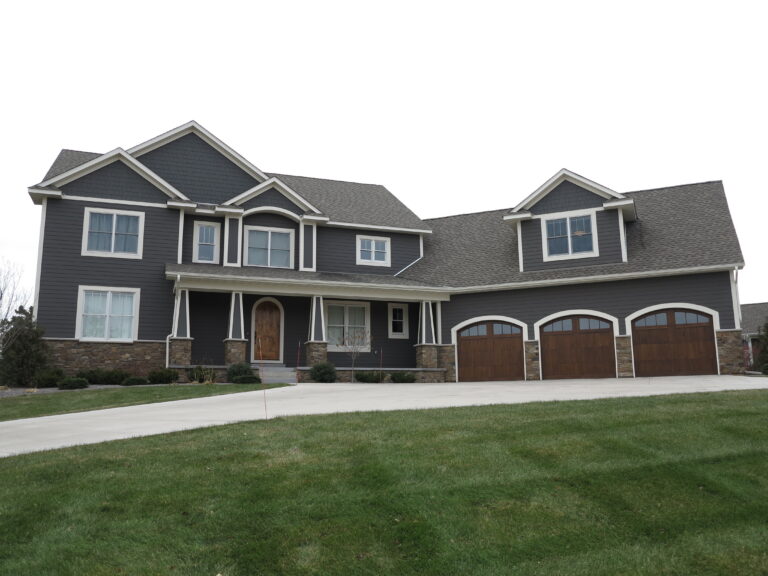
Mac Grove Painting has worked across the St. Croix River corridor long enough to understand what sets a place like Kinnickinnic apart from the newer subdivisions closer to the metro core — and what that means for exterior paint work on the homes here.
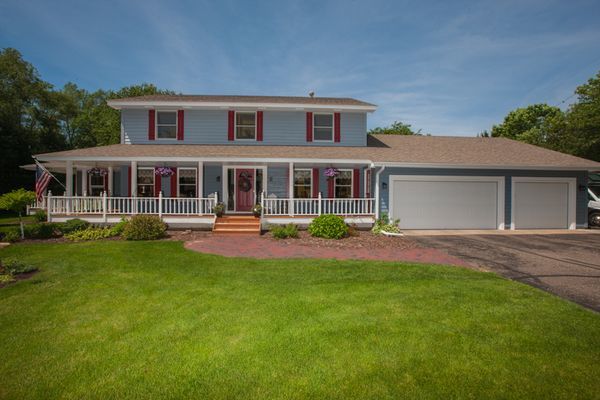
Kinnickinnic is an unincorporated town, and its character shows in the architecture. The housing stock leans heavily on late 19th- and early 20th-century construction: Folk Victorian and Queen Anne farmhouses with their asymmetrical rooflines and steeply pitched gables, Dutch Colonial Revival homes with gambrel profiles, and sturdy frame and brick rural dwellings built for function as much as form. These are not cookie-cutter houses. They were built across several decades by different hands using different materials, and they age accordingly. Wood siding is common, and on homes that have stood for over a century, the condition of that siding tells the story of every hard winter and wet spring it has survived.
A Landscape That Works Against Paint Film
The Kinnickinnic River defines a lot about this town — its geography, its character, and, from a painter’s standpoint, its particular challenges. Properties clustered along the river sit in low valley settings where humidity stays elevated, tree canopy limits direct sun exposure, and north-facing facades can go weeks in the shoulder seasons without drying out properly. That combination accelerates mildew growth on wood siding, promotes moss on lower courses, and causes paint to peel from the bottom up on structures close to the floodplain. Before any topcoat goes down on a home in this kind of environment, surface preparation has to account for existing moisture damage, not just failing paint film.
The dense tree cover that makes this area visually appealing creates real complications at the surface level. Shaded wood holds moisture longer after rain, and paint applied without adequate dry time or proper primer adhesion simply will not last. On Victorian-era homes with intricate trim profiles — the kind of decorative millwork found on Folk Victorian and Queen Anne styles — failing paint tends to catch and worsen faster because water tracks along the detailed edges. Understanding the geometry of these older homes, not just the color palette a homeowner wants, is part of doing the work correctly.
Later structures in the area — mid-century ranch homes and the occasional outbuilding converted from agricultural use — present a different set of considerations. Brick and log construction common to older rural buildings here requires different prep approaches than painted wood frame, and many of these structures have seen multiple repaint cycles with inconsistent products layered over decades.
Kinnickinnic does not have the density of a city neighborhood, but the homes here deserve the same level of attention that historic preservation demands anywhere in the region. The environment is demanding, the architecture is specific, and the work needs to hold up against conditions that interior-focused contractors sometimes underestimate when they cross the river.