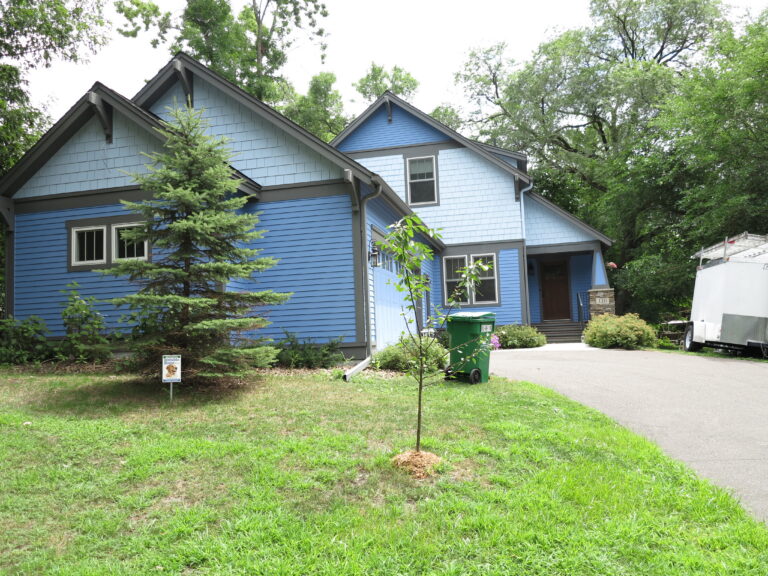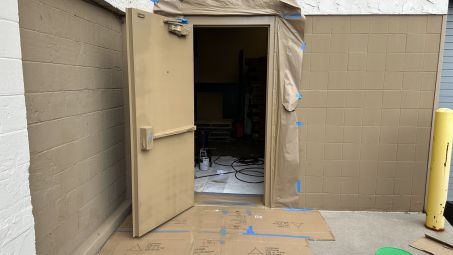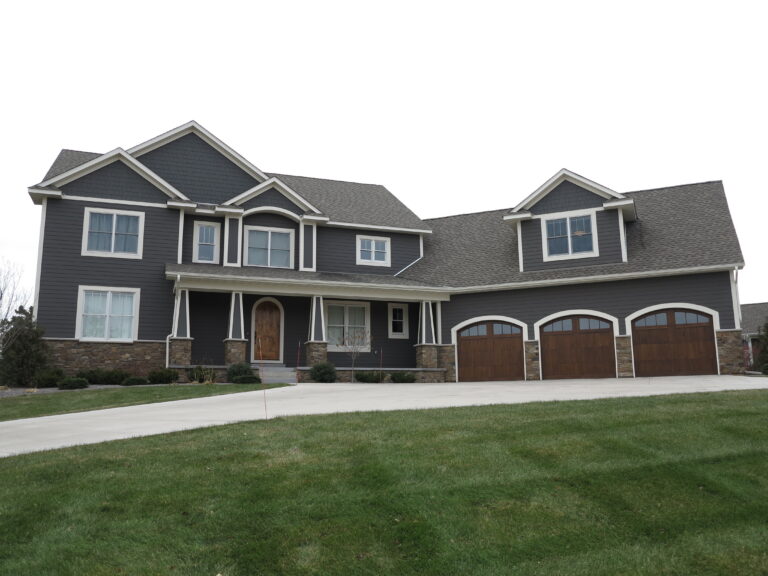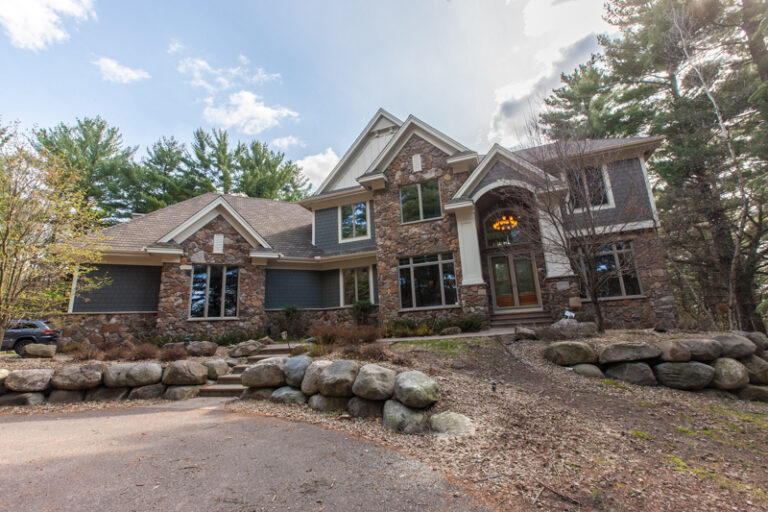
Mac Grove Painting has worked on homes throughout Washington County, and Pine Springs stands out as a place where the landscape itself shapes what good exterior painting requires. Tucked along the eastern edge of Long Lake on a wooded plateau, this small residential community of roughly 140 homes carries a character unlike most Twin Cities suburbs — quieter, more rural, and more demanding on exterior finishes than the typical neighborhood job.
Much of the housing stock here traces back to early 20th-century summer cottages that were gradually converted to year-round residences. After Pine Springs incorporated in 1959, mid-century construction filled in around those original structures — ramblers and split-levels that reflect the practical building sensibilities of that era. What that means on the job is frame and clapboard construction that requires careful attention to how paint adheres and breathes. These aren’t the brick-and-stone exteriors common near some Washington County historic sites. They’re wood-framed homes that absorb moisture and respond to seasonal change, and the coating system has to account for that from the start.
A Microclimate That Tests Exterior Finishes
Long Lake’s proximity creates a persistently humid microclimate throughout Pine Springs. Combined with the dense tree canopy that covers much of this plateau terrain, homes here see limited direct sun — particularly on north and west-facing walls. That shade and moisture combination creates ideal conditions for mildew, moss, and algae to establish themselves on siding, trim, and fascia. Before any paint goes on, surfaces need to be cleaned thoroughly and assessed for any organic growth that could compromise adhesion. Skipping that step, or using a paint that doesn’t allow the underlying wood to breathe, tends to accelerate the same problems the new coat was supposed to fix.
The solution isn’t complicated, but it does require product knowledge and honest surface preparation. Breathable, mildew-resistant exterior formulations — applied over properly cleaned and primed wood — hold up meaningfully longer in environments like Pine Springs than standard consumer-grade paints applied without adequate prep. The two-acre lots and wooded buffers between homes also mean each property develops its own exposure pattern. A wall that faces a clearing behaves differently from one shaded by mature oaks for six hours a day, and a thorough site assessment accounts for those differences before any work begins.
Because Pine Springs is entirely residential, with no commercial districts or through-traffic corridors, the community has a consistency to it — homes built to be lived in quietly, maintained without fuss, and suited to their natural setting. Low-maintenance exterior finishes are a practical priority here, not just an aesthetic preference. That means choosing products with durability in humid, shaded conditions rather than simply matching whatever color is already on the house. Good paint work in Pine Springs should be something a homeowner doesn’t have to think about for a long time — because the prep and product selection were done right the first time.