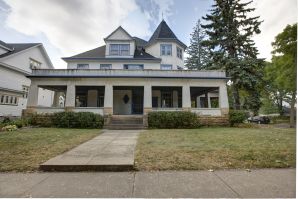
Mac Grove Painting has worked across the western suburbs long enough to know that Long Lake presents a particular set of painting challenges — ones that reward contractors who understand both Minnesota’s climate and the specific demands of lakeside residential architecture. This is a community where the housing stock spans well over a century, from Victorian-era homes in the historic Cumberland Addition district to the ramblers and split-levels that filled out the neighborhoods during the postwar decades of the 1950s and ’60s. Getting exterior paint right here means accounting for that range from the start.
The variety of architectural styles across Long Lake is genuinely broad. Craftsman bungalows with their characteristic wide trim and exposed rafter tails sit alongside Colonial Revival homes built for lake-view living, while midcentury ramblers — practical, low-slung, and often clad in horizontal clapboard — make up a significant portion of the established neighborhoods. Older homes in the historic core sometimes feature Gothic Revival detailing: gingerbread trim, decorative vergeboards, and layered molding profiles that require careful prep work and steady brush technique to paint properly. More recently built properties, including contemporary luxury builds, lean toward cleaner Prairie-influenced geometry and smooth modern cladding that calls for a different approach entirely.
Lakeside Conditions and What They Mean for Exterior Paint
Proximity to Long Lake itself — and to nearby Lake Minnetonka — shapes the microclimate in ways that matter directly to paint performance. Humidity off the water accelerates moss and mildew growth on siding, particularly on north-facing walls and beneath the heavy tree canopy that shades many wooded lots. That shade reduces UV exposure on some elevations, but lakefront facades facing the water often take the opposite punishment: strong reflected light and UV radiation that fades pigments faster than inland exposures. For those properties, coatings with meaningful UV inhibitors aren’t optional — they’re the baseline expectation. Proper surface prep, including mildew treatment and careful attention to any existing paint failure driven by moisture cycling through Minnesota winters, determines how well any new coat holds up over time.
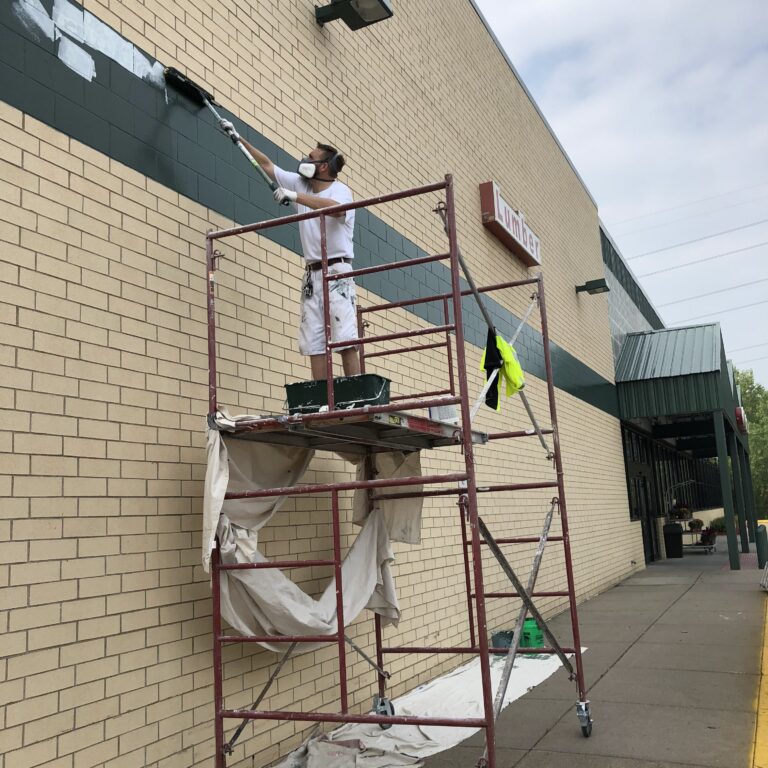
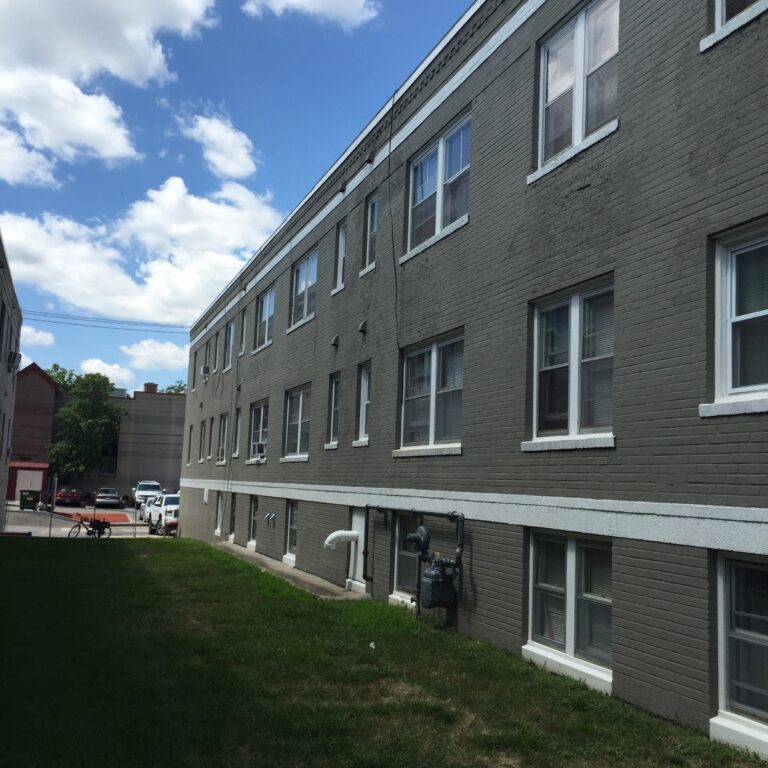
The mix of exterior materials across Long Lake reinforces why a single-product approach doesn’t serve this area well. Brick on older homes requires a different preparation strategy than the wood shingles common on Craftsman-era houses, and neither of those is the same as the engineered siding found on newer construction. Clapboard in particular — still prevalent throughout the postwar neighborhoods — needs to be assessed for end-grain exposure and any swelling or cracking that accumulated moisture has caused before a brush ever touches it.
Long Lake is a community where homes are lived in seriously, maintained with care, and often carry architectural character worth preserving. Mac Grove Painting brings the same attention to surface condition, material compatibility, and climate-appropriate product selection here that we apply throughout the Twin Cities. The goal is always a finish that holds up honestly through freeze-thaw cycles, humid summers, and the particular waterfront conditions this part of Hennepin County delivers year after year.