Mac Grove Painting has worked on enough Lake Minnetonka-area homes to understand that painting in Wayzata is a different undertaking than painting in most Twin Cities neighborhoods. The combination of waterfront exposure, ambitious architecture, and mature tree canopy creates a painting environment that rewards careful preparation and informed material choices — and punishes shortcuts in ways that become obvious quickly.
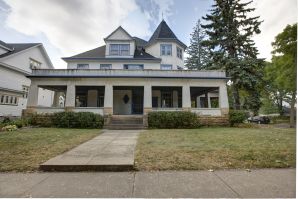
The housing stock here spans more than a century of distinct design traditions. Prairie School influences from the early 1900s — flat roofs, broad overhangs, art glass windows, and strong horizontal lines — share the landscape with substantial early estates along corridors like Bushaway Road, some dating to 1912, complete with breezeways and outbuildings that were eventually annexed into the city in the 1950s. More recent decades brought custom luxury builds oriented almost entirely around lake views: walls of glass, multi-level decks, and exterior materials selected as much for visual statement as for durability. Understanding which era a home comes from shapes every decision we make before a brush touches the surface.
Painting for Lake Minnetonka’s Conditions
Proximity to the lake is the dominant environmental factor for any exterior project in Wayzata. Homes with extensive deck exposure and window-wall facades face compounding stressors — humidity off the water, wind-driven moisture, and the freeze-thaw cycling that Minnesota winters deliver reliably. These conditions accelerate paint failure on wood siding and trim if the coating system isn’t chosen with them in mind. We prioritize products with strong moisture resistance and flexibility ratings for lakeside exteriors, and we pay close attention to surface preparation on any wood that’s been repeatedly exposed to that cycle of wet and dry.
The dense tree canopy that gives Wayzata much of its character adds another layer of complexity. Shaded north-facing siding and soffits stay damp longer after rain, which creates conditions favorable to mildew and moss growth. Flat and low-pitched roofs on Prairie-style homes have similar vulnerabilities — coatings on those surfaces need UV resistance and algae inhibitors to stay clean and intact over time. Interior painting in older homes in this area often involves careful work around original woodwork, art glass, and trim details that aren’t replaceable, so precision matters as much as product selection.
Wayzata’s upscale character also means that finish quality is visible and expected to hold up under scrutiny. These aren’t homes where a rushed coat of paint disappears into the background. Custom builds with clean architectural lines show every lap mark and roller texture; historic properties with intricate millwork demand careful cutting and steady hands. Whether the project is a full exterior repaint on a 1912 estate or interior work on a contemporary lake-view home, the standard we hold ourselves to in Wayzata is the same one we bring to every job in the metro — methodical, informed, and built around the specific building in front of us.