Mac Grove Painting has worked across the western Twin Cities suburbs long enough to recognize that Victoria presents a genuinely varied set of exterior painting challenges — not just from one neighborhood to the next, but sometimes from one side of a house to the other. That variability shapes how we approach every project here.
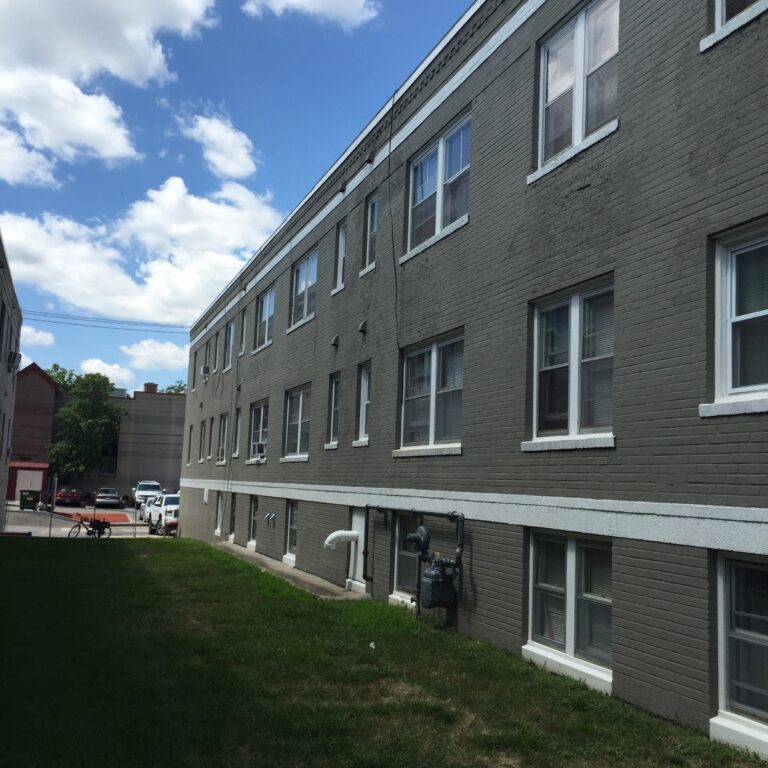
The housing stock in Victoria spans several distinct eras, and each one comes with its own set of surface conditions and material demands. Mid-century brick ramblers and ranch-style homes from the 1950s through the 1970s make up a substantial portion of the older residential neighborhoods, often settled into wooded lots with mature oaks and maples overhead. Those trees create shaded, north-facing elevations where paint cures unevenly and moss or mildew can take hold faster than homeowners expect. The same properties frequently have southwest-facing walls that absorb intense afternoon sun, accelerating color fade on brick accents and stucco surfaces. Handling both conditions on the same structure requires more than a single paint selection — it requires a clear-eyed prep plan and product choices matched to each exposure.
Victorian Details and Newer Subdivisions
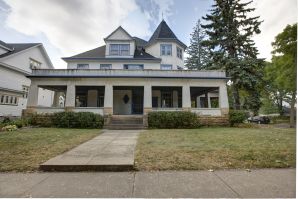
Victoria’s downtown core preserves a smaller collection of late nineteenth and early twentieth century homes — Queen Anne and Eastlake-influenced structures with the kind of architectural detail that demands careful, methodical work. Asymmetrical facades, steep gabled rooflines, decorative gingerbread bargeboards, and turned porch columns all require patience with a brush rather than a roller, and historically appropriate polychromatic paint schemes that distinguish each element without overwhelming the overall composition. These are the projects where surface preparation and color sequencing matter as much as any other variable.
Newer neighborhoods near Lake Minnetonka and Benton Lake — developments like Victoria Meadows and Clover Ridge built largely through the 1990s and into the 2000s — present a different set of considerations. Split-level and contemporary construction with vinyl siding and simpler trim profiles are more forgiving in some respects, but the proximity to water introduces its own humidity conditions. Lake-adjacent microclimates encourage mildew growth on wood and composite surfaces, which makes thorough cleaning and the right primer selection non-negotiable before any topcoat goes on.
Across all of these housing types, Minnesota’s climate imposes a consistent discipline on exterior painting work. The short window between late spring and early fall for optimal application temperatures, combined with freeze-thaw cycles that stress any coating applied under marginal conditions, means timing and preparation carry real consequences here. Paint that goes on too early in the season or over inadequately prepped surfaces won’t hold — and in Victoria’s mix of wooded, lake-adjacent, and open-lot settings, surface conditions vary enough that there’s no single standard approach.
Whether the project is a brick ranch on a shaded lot, a split-level in one of the newer subdivisions, or one of Victoria’s ornate Victorian painted ladies requiring detailed trim work, Mac Grove Painting brings the same methodical approach: read the house, read the site, and do the work in the right order with the right materials.