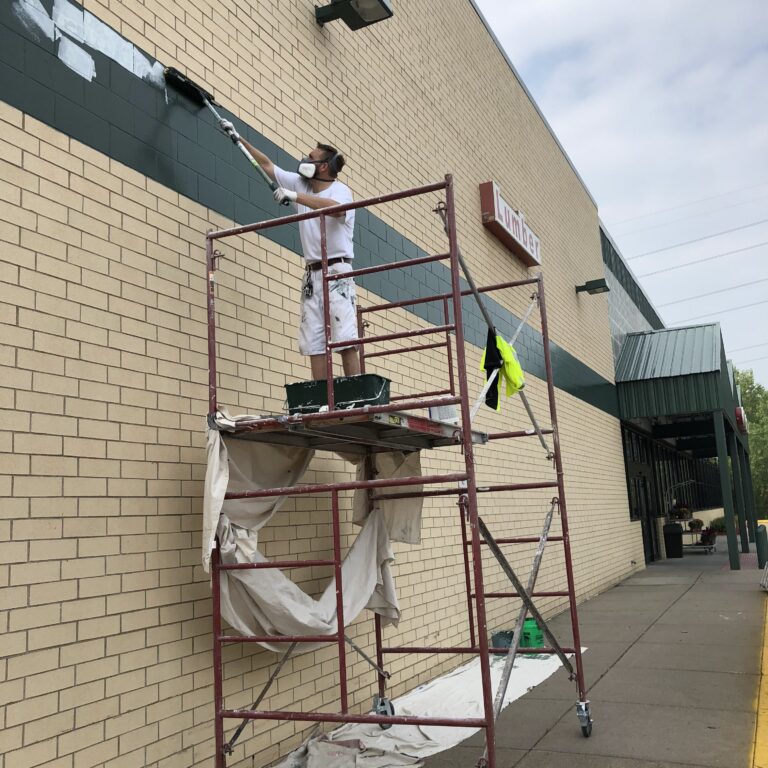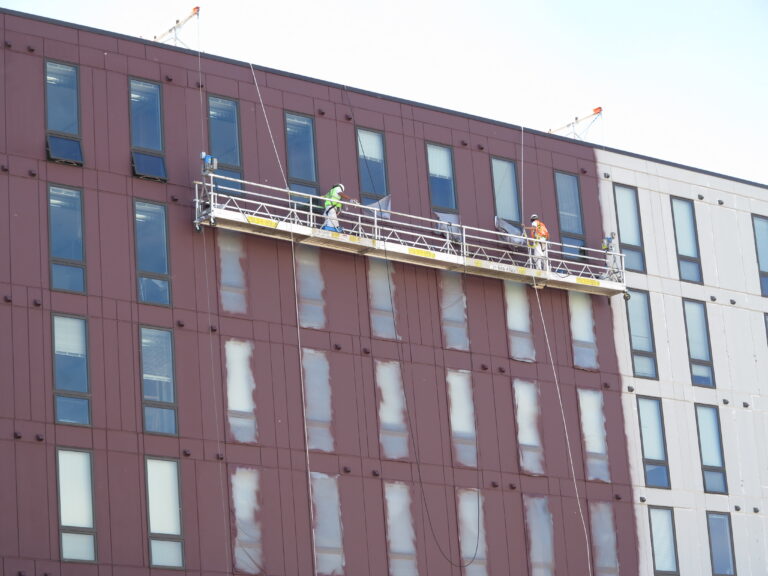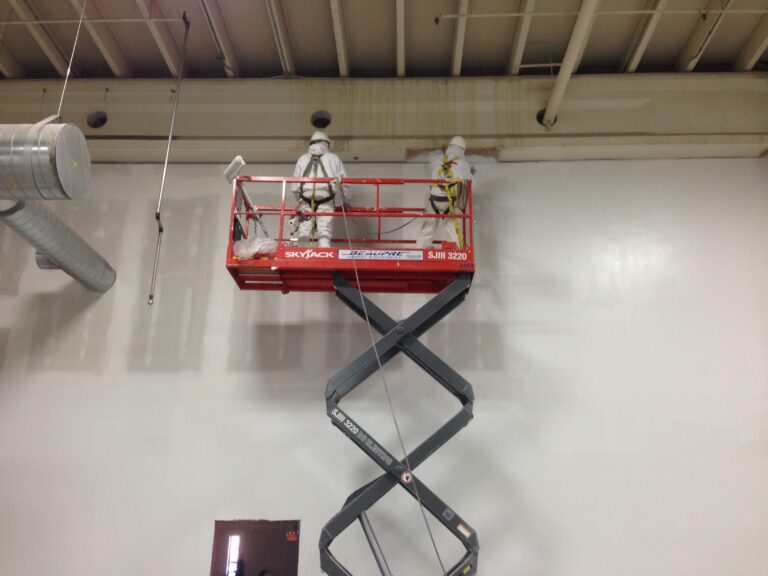
Mac Grove Painting works across the Twin Cities metro, and Dayton is the kind of place where the housing tells a clear story — post-war ramblers and split-levels on generous lots, the occasional Craftsman bungalow with its low-pitched gable and exposed rafter tails, and here and there a Victorian-era home that predates the suburban wave by half a century or more. Knowing what each of those structures needs from a paint job is what separates work that lasts from work that just looks good on day one.
The backbone of Dayton’s residential neighborhoods is the mid-century ranch and split-level, most of them built during the postwar suburban expansion of the 1950s. These homes typically feature horizontal wood lap siding, aluminum trim, and low-profile rooflines that shed water differently than steeper Victorian profiles. Proper surface prep — scraping, sanding, priming bare wood — matters on these houses because decades of Minnesota freeze-thaw cycles have a way of opening up old paint films and exposing the substrate beneath. Skipping that step is how you end up repainting in three years instead of eight.
Working with Dayton’s Environment and Architecture
Dayton’s location near the confluence of the Crow and Mississippi Rivers introduces real humidity into the equation, particularly for homes on wooded or low-lying lots. That moisture load favors mildew-resistant exterior paints, and lower foundation areas near grade are worth scrutinizing for staining or efflorescence before any coating goes down. Dense tree canopy — common on the larger lots throughout the area — keeps siding surfaces damp longer after rain and accelerates biological growth on north and west exposures. Choosing the right sheen level and paint formulation for those surfaces isn’t a minor detail; it’s the difference between a finish that holds and one that starts failing within a season.
On the other end of the spectrum, south- and west-facing siding in Dayton takes a consistent beating from UV exposure across long Minnesota summers. Fading and chalking on those elevations are predictable without coatings formulated to resist it. The 1990s and early 2000s subdivisions scattered through the area often feature smooth LP siding or stucco-finish surfaces that respond well to spray application when conditions allow, though those materials have their own prep requirements and primer considerations — particularly at seams and cut edges where moisture can infiltrate.
For the older homes — the Craftsman bungalows with their porch columns and fascia details, or the rarer Victorian-era houses with ornate bargeboards and gingerbread trim — the work is slower and more exacting. Painting intricate exterior millwork requires brushwork, patience, and a clear understanding of how thin coats build properly without obscuring the detail that makes those homes worth preserving. These aren’t common throughout Dayton the way they are in older Minneapolis neighborhoods, but where they exist, they deserve that level of attention.
Every exterior painting project here starts with an honest assessment of what the surface is actually dealing with — its age, its exposure, its history of previous coatings. That’s as true in Dayton as anywhere else we work in the metro.