Mac Grove Painting has worked across the St. Croix Valley long enough to understand what Roberts asks of an exterior paint job — and it asks quite a bit. Sitting in the flat river terrain of St. Croix County, this small Wisconsin village deals with a climate that combines harsh winters, moderate humidity, and the kind of dense tree canopy that keeps north-facing siding damp well into spring. Those conditions don’t forgive shortcuts in prep work or product selection.
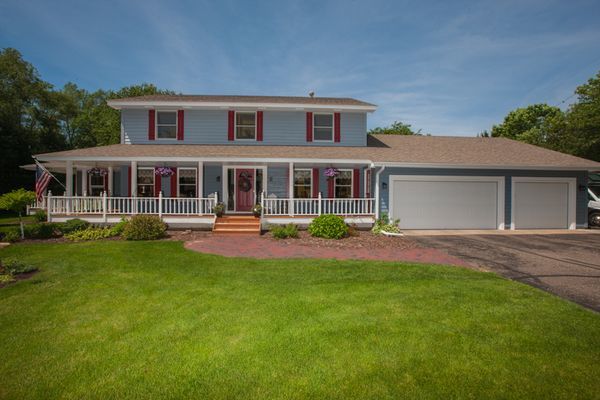
The housing stock here reflects the area’s gradual shift from agricultural roots to rural-suburban living. A handful of early 20th-century farmhouses and bungalows remain — clapboard-sided structures with hip roofs and gabled dormers that once sat at the edge of working dairy operations. These older homes have character, but they also have layers of paint history and wood that needs careful attention before anything new goes on. More common throughout Roberts are the ramblers, split-levels, and bi-levels built from the 1960s through the 1990s, most of them sided in vinyl or finished with brick veneer — materials that seem low-maintenance until moisture finds a seam or mildew takes hold on a shaded wall.
Painting Challenges Specific to Roberts Homes
The tree cover along the St. Croix Valley isn’t just scenic — it’s a real factor in how exterior coatings perform. Heavy shade slows drying time, traps moisture against siding, and creates the conditions where moss and mildew establish themselves on surfaces that see little direct sun. North and west-facing elevations on Roberts homes tend to show this wear first. Choosing the right mildew-resistant formulation isn’t optional here; it’s the baseline. The same proximity to the St. Croix River that makes this part of Wisconsin appealing also means occasional flooding and persistent ground moisture that can work its way up foundation walls and into lower siding courses.
Leaf debris compounds the problem through the fall. Organic matter sitting against siding or collecting in window channels holds moisture and accelerates paint failure — a detail that matters when scheduling exterior work and preparing surfaces properly. Roberts winters then take whatever vulnerabilities exist and widen them, with freeze-thaw cycles that drive moisture into any crack or adhesion failure left behind.
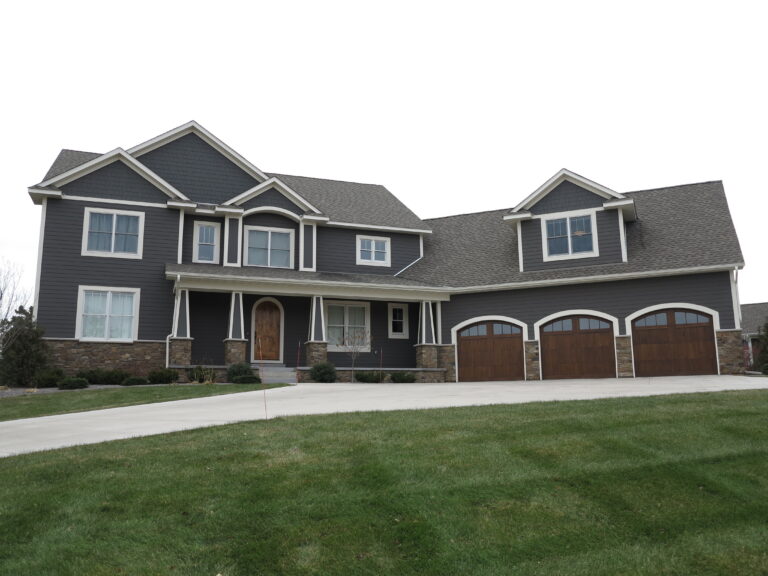
For color, the wooded, riverine setting naturally points toward earth tones — warm browns, muted greens, and soft grays that read well against the surrounding landscape rather than fighting it. That’s a preference many Roberts homeowners already share, and it aligns with finishes that tend to age gracefully in shaded, forested environments. Lighter neutrals work well too, particularly on homes with limited natural light, where a well-chosen exterior palette can make a real visual difference without looking out of place.
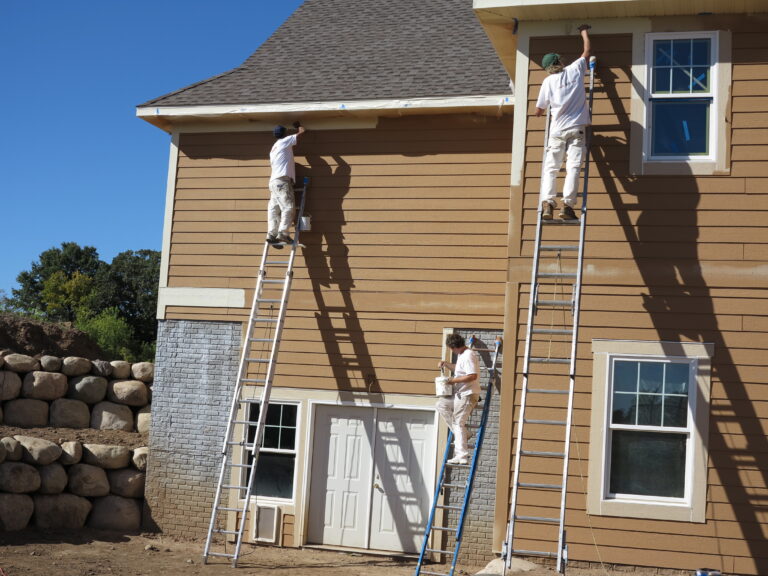
Whether the project is refreshing a post-war rambler’s vinyl siding, repainting the trim and dormers on an older farmhouse, or addressing the weathered siding on a 1980s split-level that’s been through a few too many Wisconsin winters, Mac Grove Painting brings the same approach: honest surface assessment, products matched to the actual conditions, and work done with enough care that it holds up in a climate that will test it.